
Project № 06
Le Train
Designing the RFP that helped secure France's first private high-speed rail network.
This case study is gated. Enter the access key to view Le Train in full. Access persists for the rest of this session.
Designing the RFP that helped secure France's first private high-speed rail network.
Le Train is the private operator behind the first non-state high-speed rail project in France — a new network connecting the major cities of the Grand Ouest region. The company was running a Request for Proposal to find a design and product partner for the digital experience: ticketing, booking, onboard services, customer engagement, operational tooling.
I partnered with Bruno Martins as Product Designer, defining the user flows, the key features, and the shape of the narrative that would carry the RFP through.
SNCF has owned the French rail experience for generations. A private high-speed operator is not just a new product — it is a new category. The RFP had to argue for a distinct brand of train travel: more modern, more customer-first, more aligned with how European travellers think about booking and moving in 2024 and beyond.
Every competing design agency would hand L'État-Major-like slides. We needed to hand them a customer they could imagine.
The design question was: what are the three to five moments in a passenger's journey that let Le Train differentiate? Not every feature, but the ones that make people switch from the incumbent. That is the argument, and every screen in the RFP deck had to serve it.
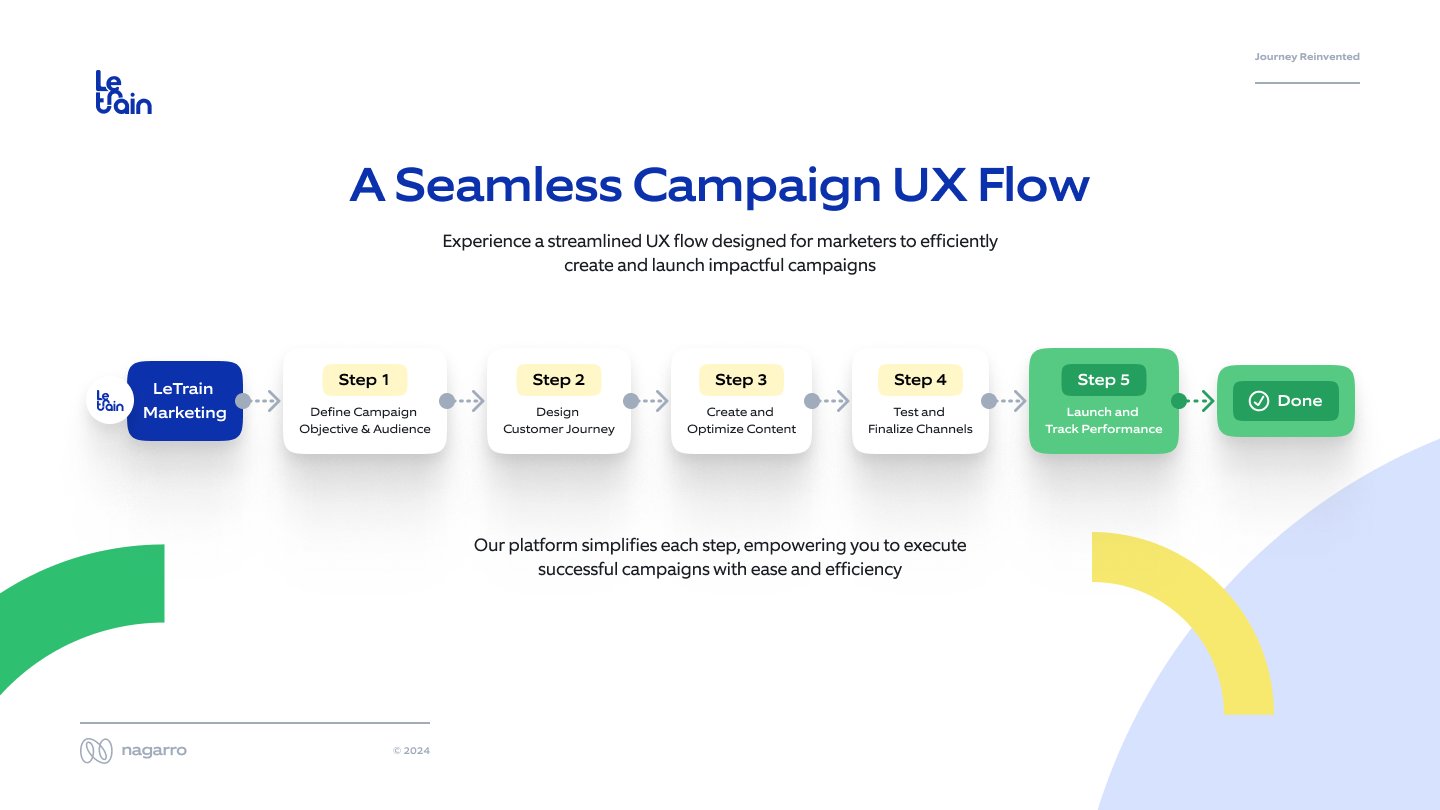
Mapped the full passenger journey end-to-end — pre-booking, booking, pre-travel, onboard, post-travel — identifying where incumbents lose customers and where Le Train could win them.
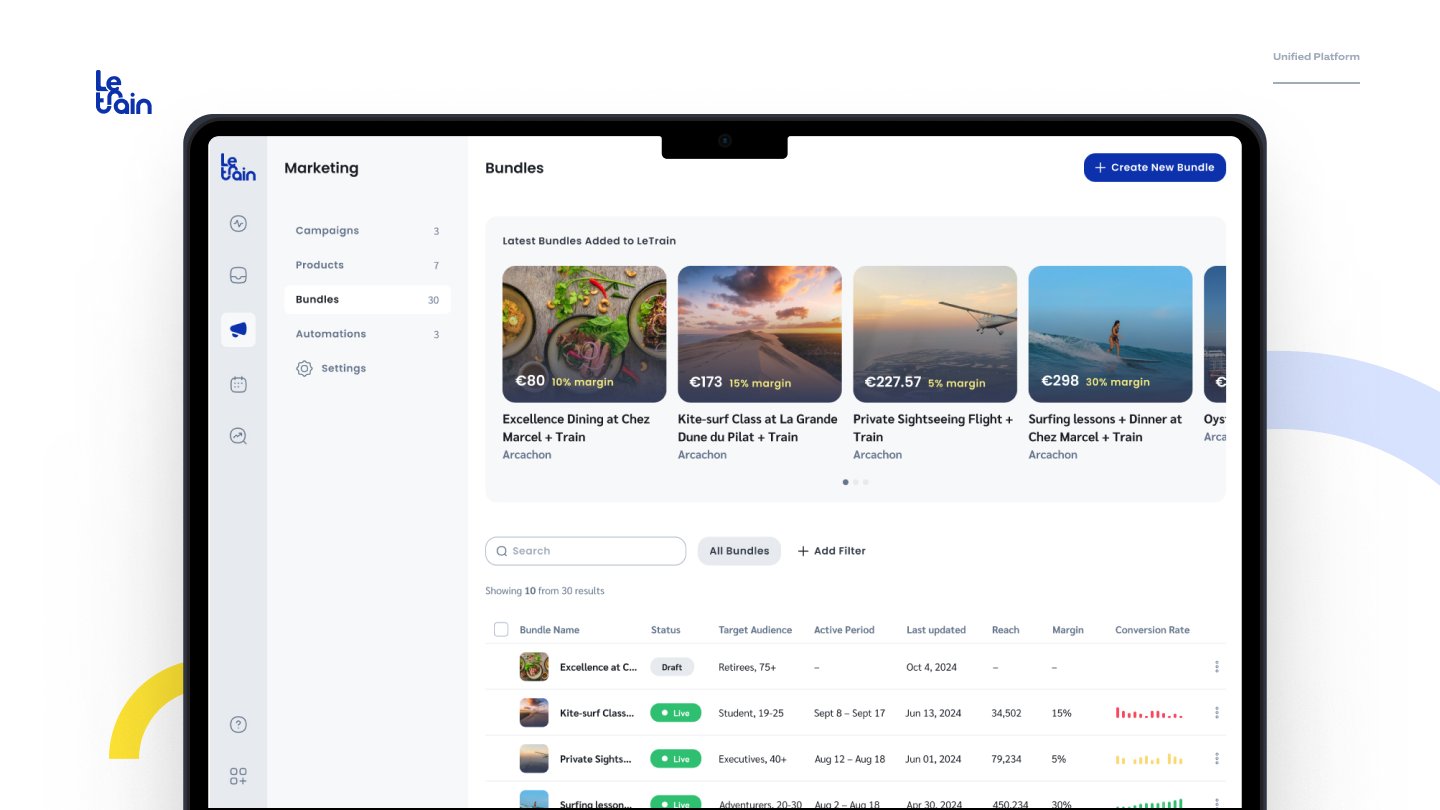
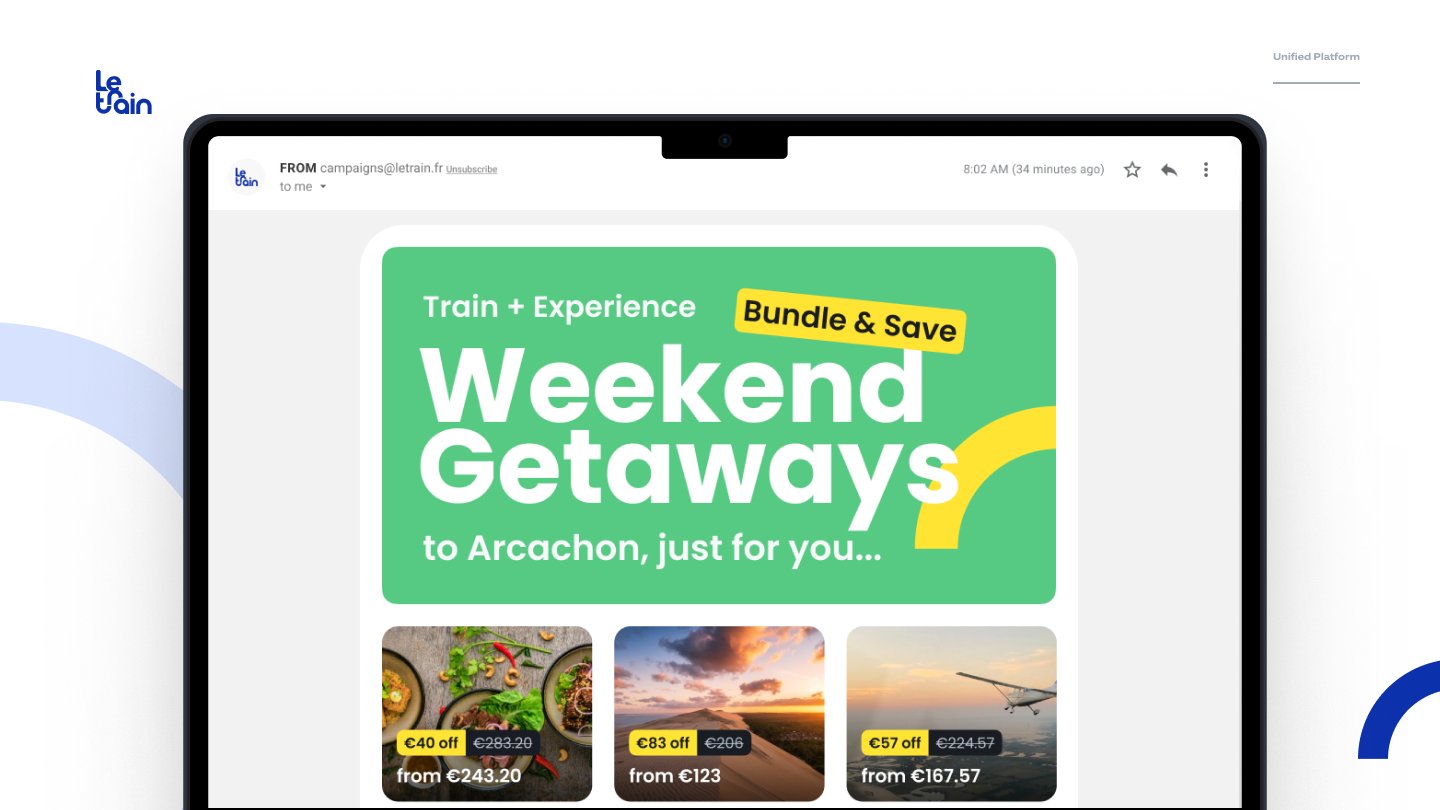
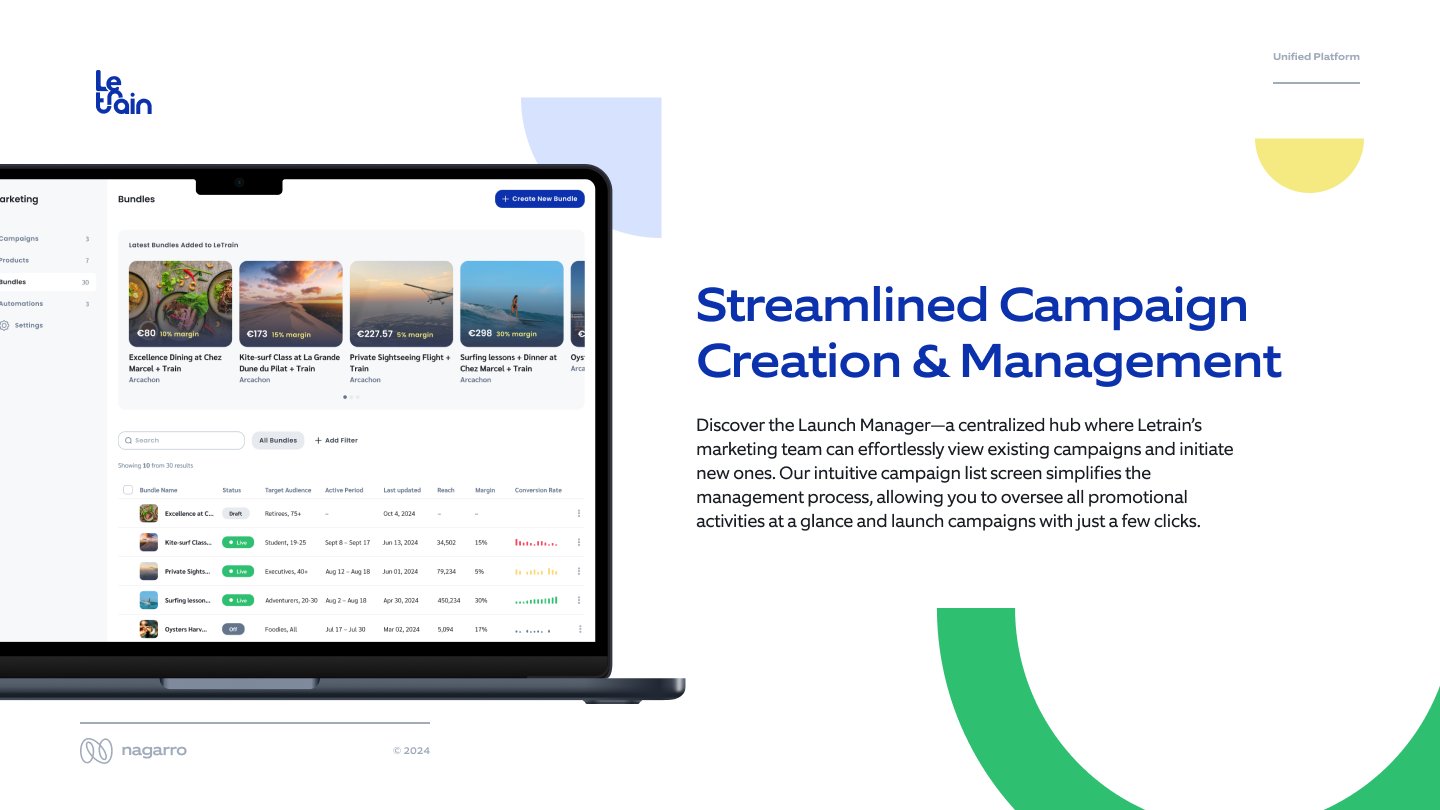
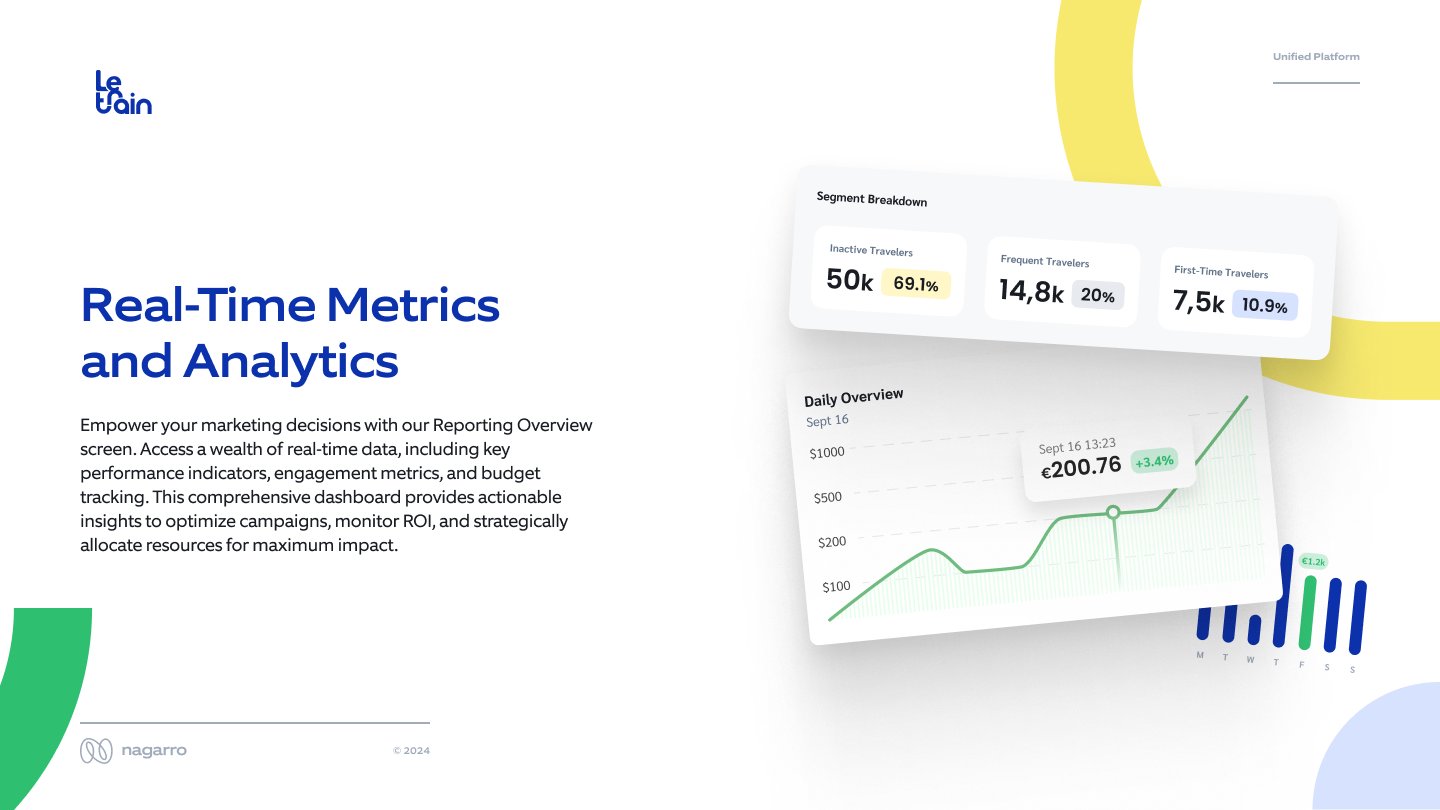
Defined the feature set that would carry the RFP: the subset of journey moments that most clearly showed Le Train's product differentiation. Worked with Bruno on the narrative glue that held them together.
Refined the presentation itself — not just the content but the rhythm, the visual density, the moments where the panel was meant to lean forward. The RFP deck is a product, not just a slideshow.
The RFP was delivered. Le Train's first private high-speed rail network in the French Grand Ouest region was secured.
France's first private high-speed rail project — secured. The RFP was not about features. It was about a different category of train travel. — Engagement reflection
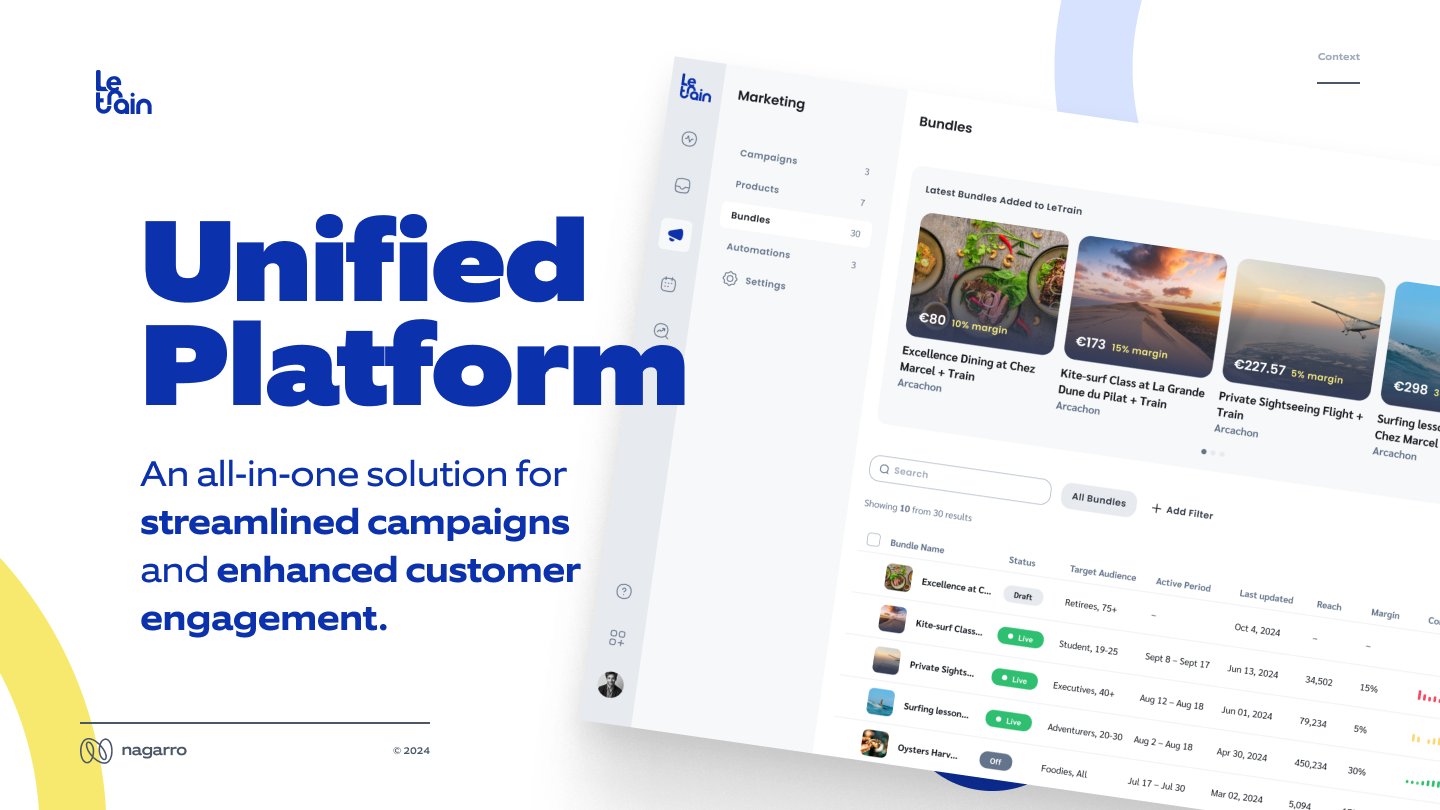
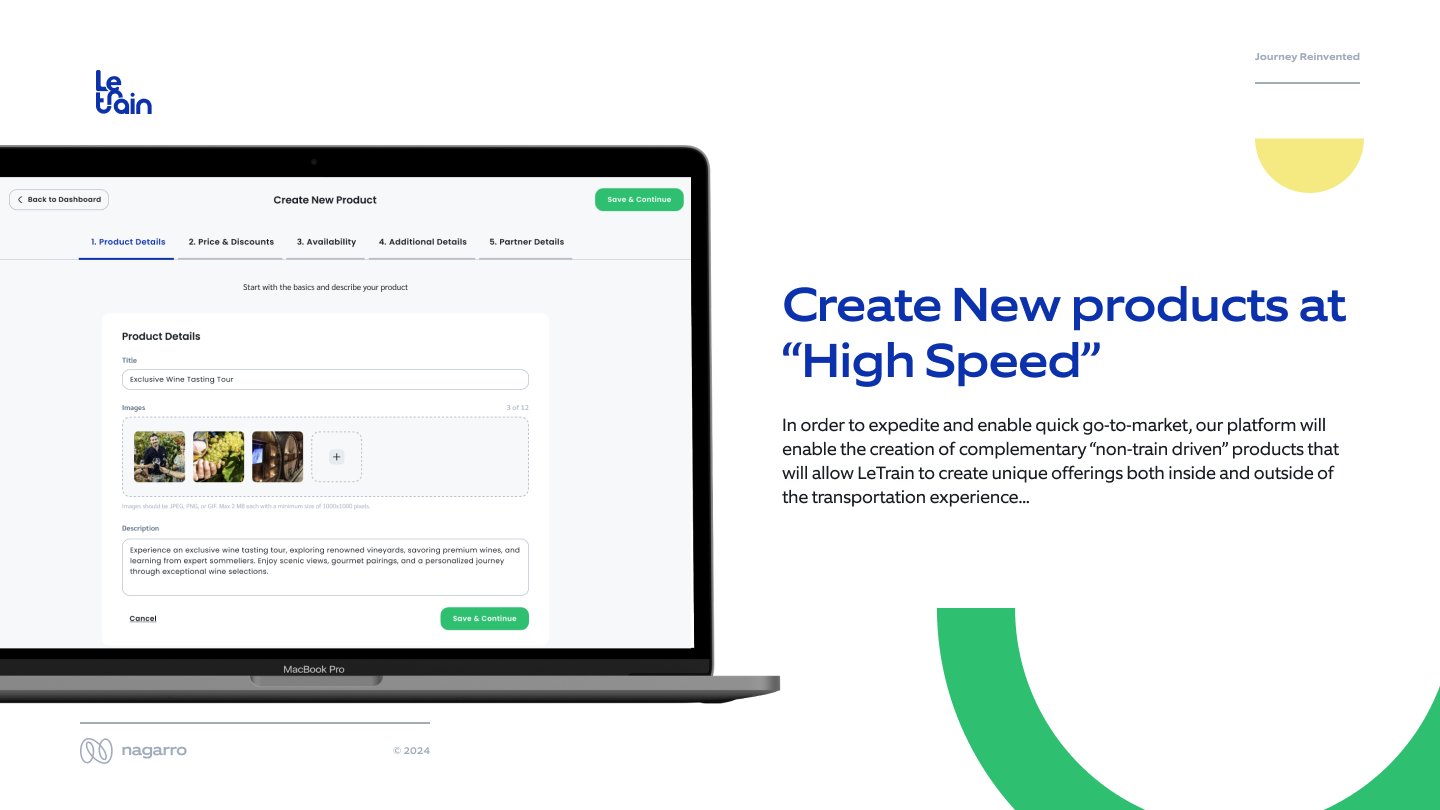
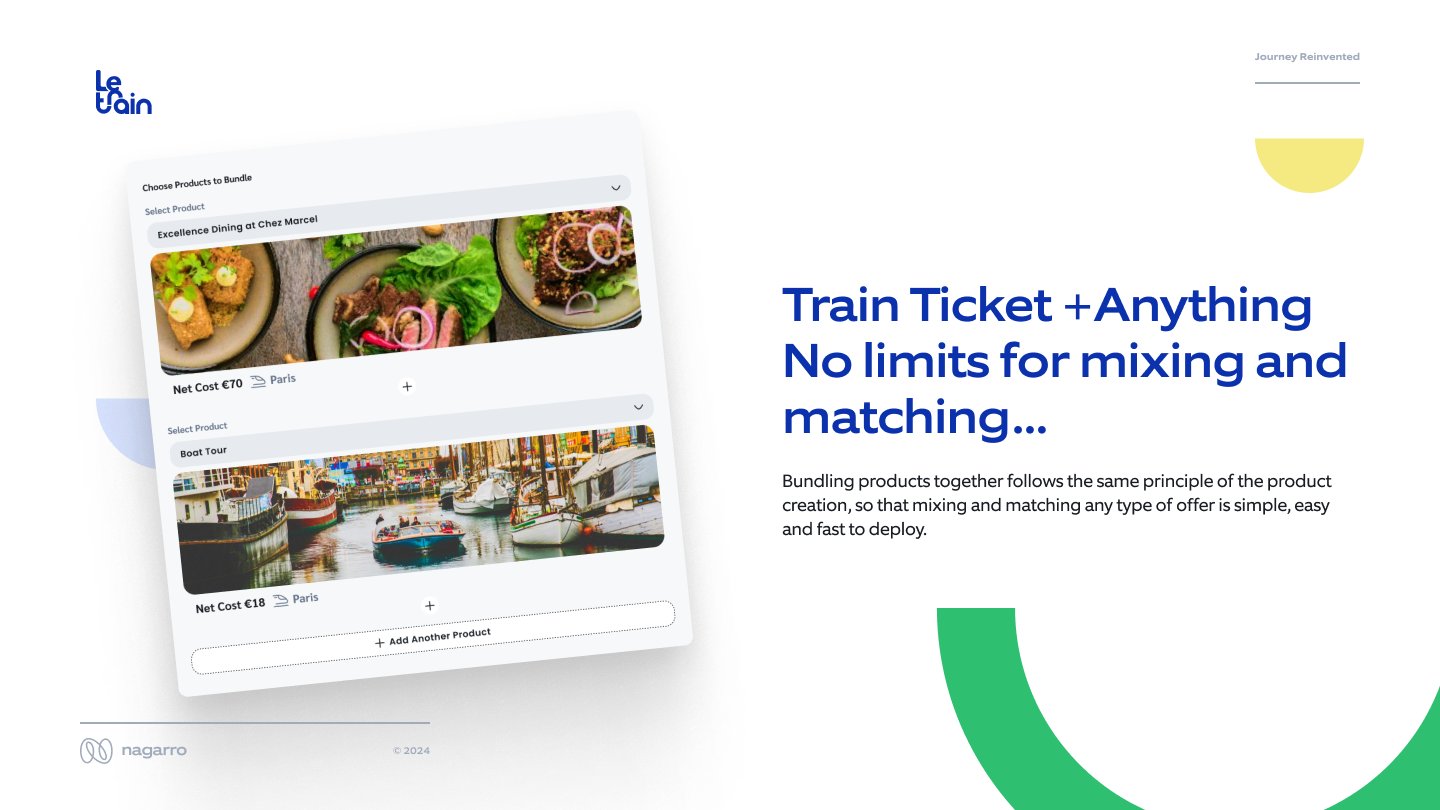
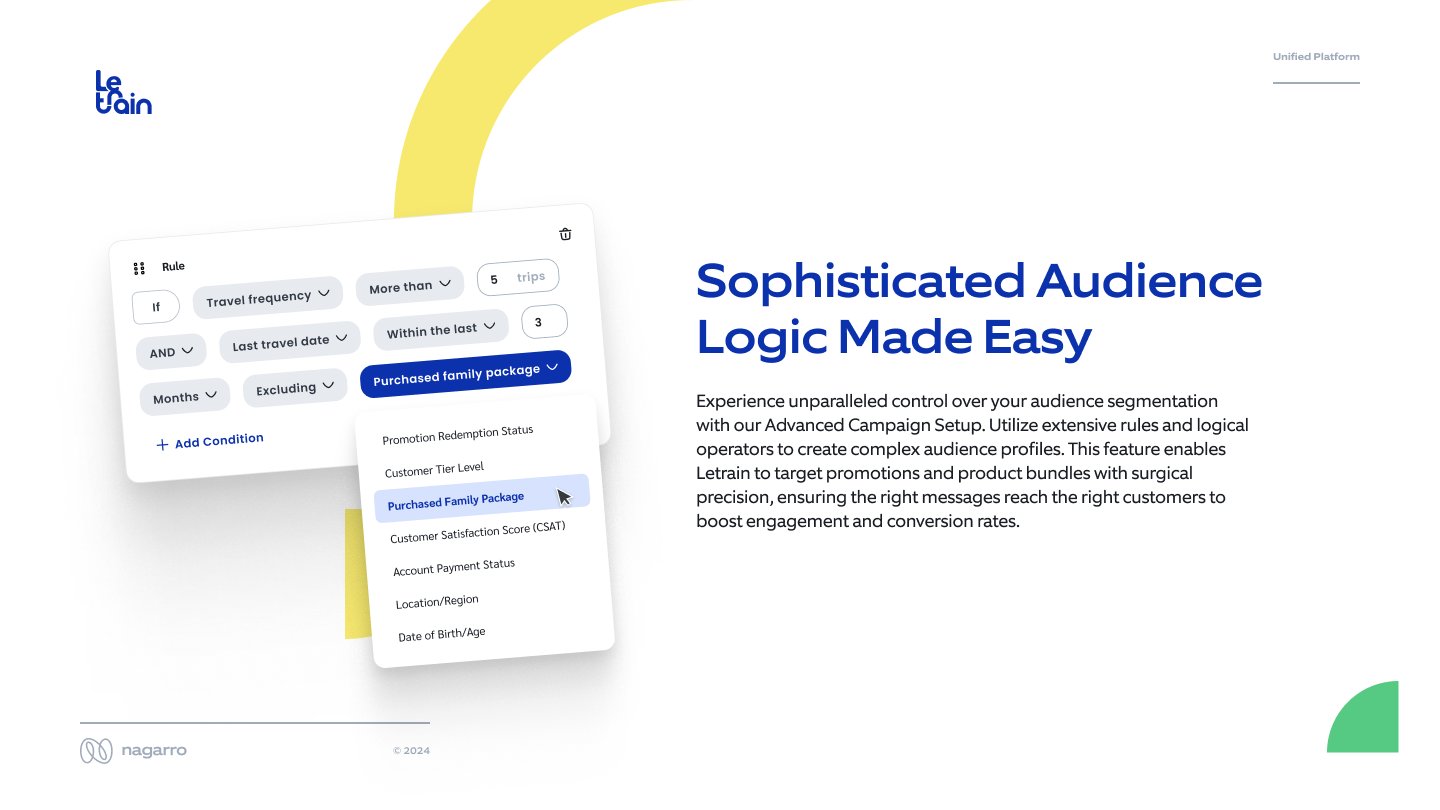
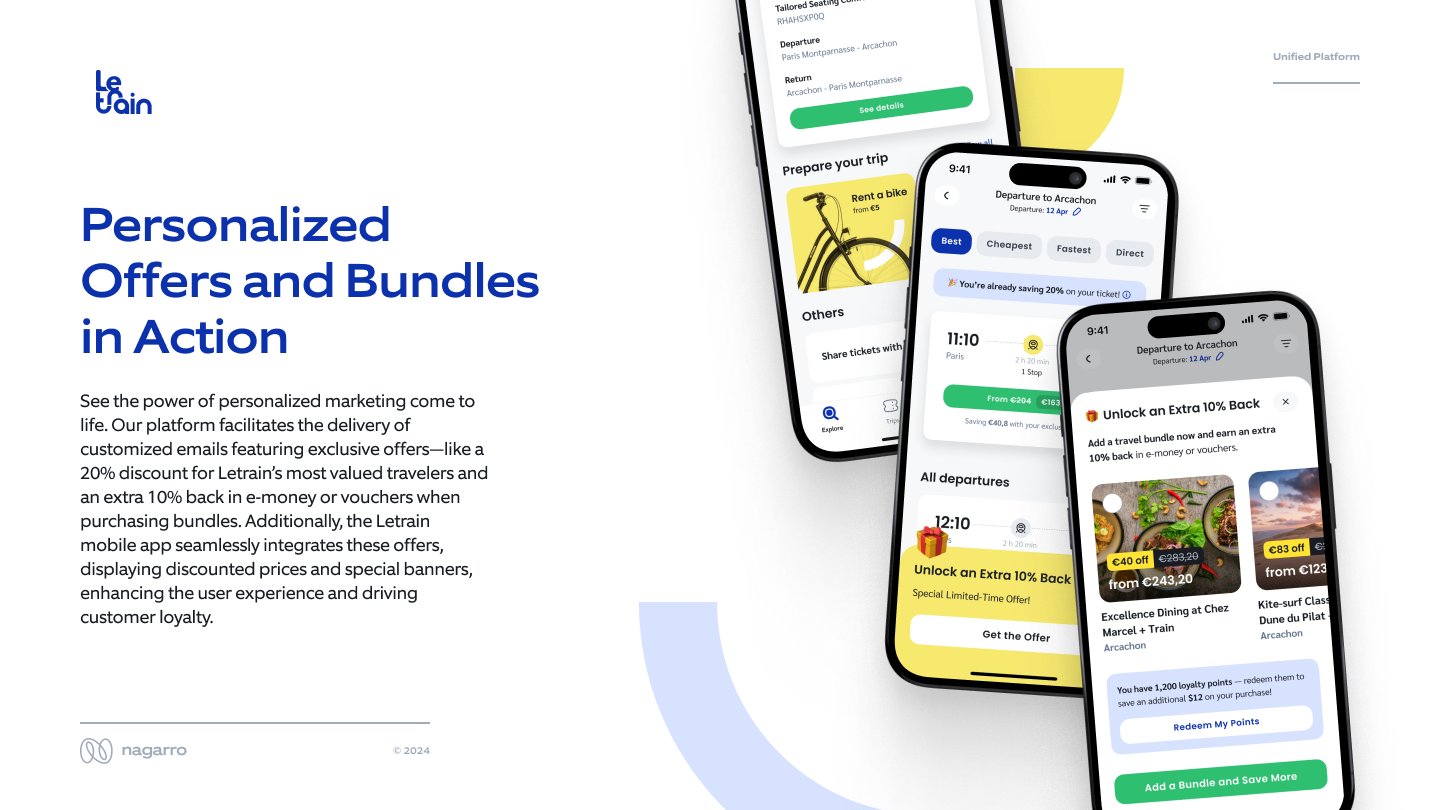
Selected spreads from the Le Train Request for Proposal — flows, key features, customer journey, and the narrative spine that carried the pitch.
The clearest kind of outcome: the bid was won and the project moved forward.
The hardest thing about pitching a new category is that the panel has no existing mental model to plug the proposal into. You are not improving something they use every day — you are asking them to picture a future and back it. The job of the RFP is to make that picturing feel effortless.
Credit to Bruno Martins, whose partnership on the flows and presentation shape made the whole engagement land cleanly.